What is Reiki?
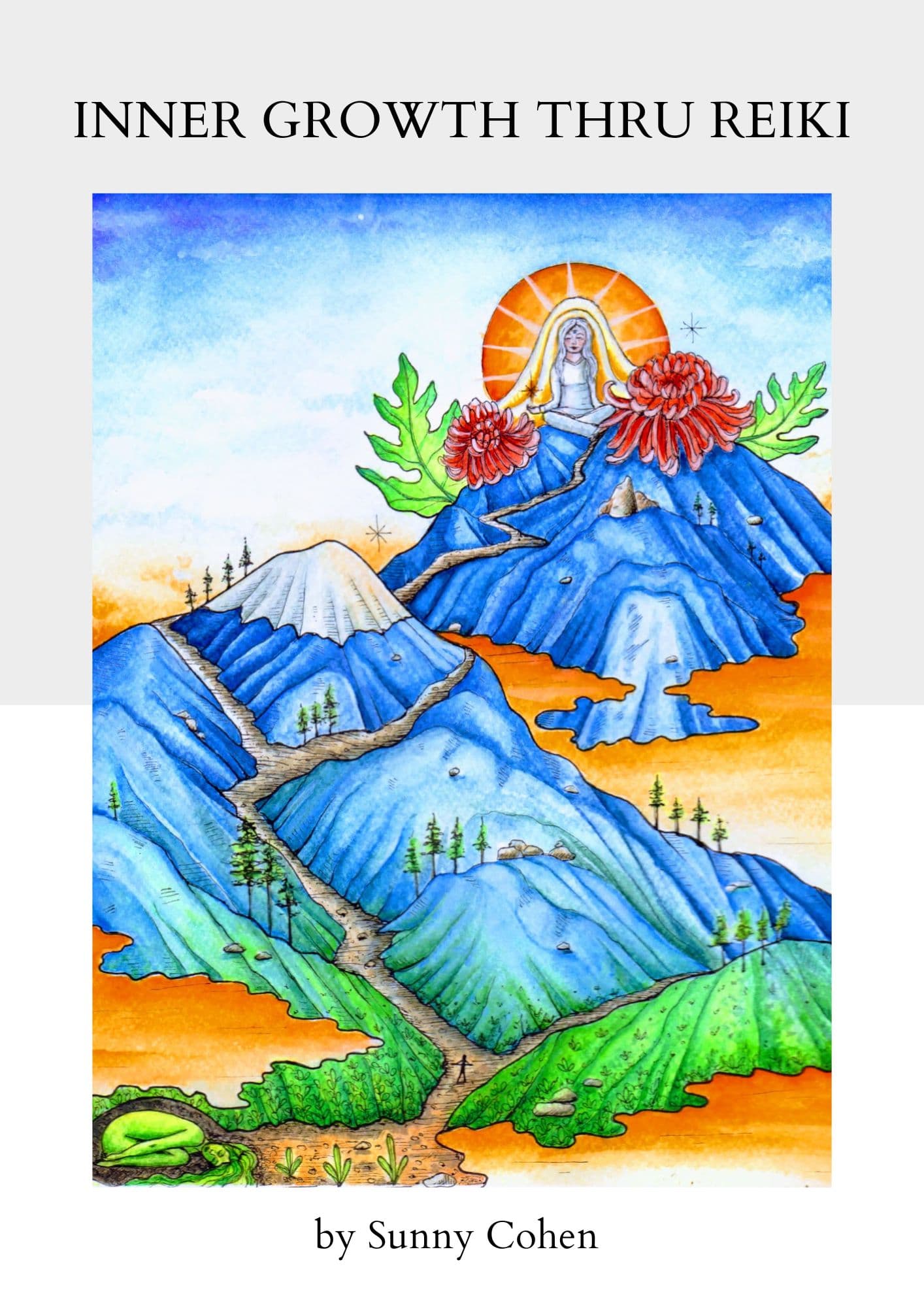
Chapter 8 of Sunny Cohen's memoir Inner Growth Thru Reiki "Since you, my reader, might have more questions about Reiki, this chapter contains the answers to common inquiries. What is Reiki? Reiki is a spiritual healing practice that helps to return its recipients to balance on physical, mental, emotional, and spiritual levels. Reiki supports well-being and strengthens the individual's natural ability to self-heal and to heal others. Reiki usually brings rapid stress reduction and relief from pain and anxiety. How is Reiki Delivered and Why Does it Work? Reiki is given through light touch—or hands above—specific locations on the body. Expert practitioners can also deliver Reiki via distance. Reiki practitioners can transmit this healing energy because they are connected to the Reiki Source through their training. The initiation process accelerates through the levels from Reiki 1 to Master Practitioner. I obtained Master Level certification in 2011, over 10 years after taking my first Reiki 1 class. What is a Typical Reiki Session Like and What are Its Results? Pamela Miles, author of the book Reiki, (Penguin Publishing Group, Kindle Edition) describes a typical Reiki session in this way: "The hands of a trained Reiki practitioner are placed lightly on a fully clothed recipient who reclines or sits comfortably. When Reiki is offered to someone who is conscious, both practitioner and recipient quickly notice a gentle shift toward relaxation. Breathing becomes slower and more comfortable, and the person may sigh or even snore as the state of relaxation deepens. The experience of Reiki treatment is very subjective and varies from person to person and treatment to treatment. Some recipients feel a warm tingling where Reiki hands are placed, others feel soft waves of subtle pulsations flowing throughout their bodies, and others feel nothing in particular—nothing, except they are very relaxed afterward, with an enhanced sense of well-being. If the person came for treatment with pain, it usually disappears or diminishes during the session. After treatment, the recipient typically feels centered and in touch with himself in a way that is very natural, but too rarely experienced by adults living a frantic postmodern lifestyle. The sense of well-being lingers, and people frequently report an immediate improvement in sleep. Your actual experience of Reiki may center on physical, mental, or emotional changes—a sense of relaxation, relief from pain, greater clarity, a gradual lessening of anxiety or expectations or other worrisome thoughts. Meanwhile, something far subtler is happening in the background. Very gently, very quietly, very gradually, Reiki opens an inner spiritual connection that can significantly change the way a person experiences life, a sense of connectedness that can help transform negative attitudes and create a sense of meaning and purpose." What is the Evidence for Reiki's Effectiveness? Miles reports that studies have found Reiki to be associated with: • Decreased levels of stress • Improvement in immune function • Remedied blood pressure • Self-reported lessening of anxiety, pain, and fatigue • Lowered heart rate • Better mood and functioning in depressed patients • Overall enhanced well-being and increased vitality Miles also writes that the many populations that are thought to benefit from Reiki are some of those whom medical science considers hardest to treat—"those with fibromyalgia and AIDS, and victims of heart attacks. The benefits of Reiki can—and are—being delivered in the most stressful of settings—the cardiac-care unit, the delivery room, the operating room, intensive-care units, and the emergency room." Research in Reiki's effectiveness is continuing to aggregate, with solid scientific evidence accumulating of its efficacy."